
Villa Romana del Casale. The House With 1,700 Year Old Stories Frozen in Stone
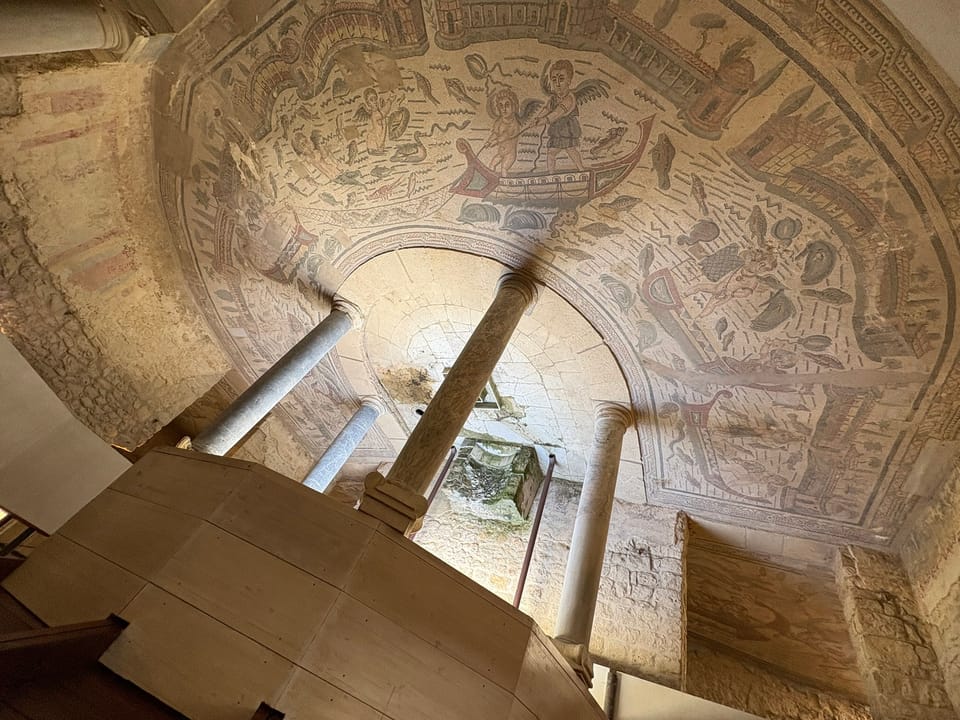
Before coming to Sicily, Villa Romana del Casale wasn’t even on our list. TripAdvisor mentioned it, but there wasn’t much useful information anywhere. We didn’t know what to expect, but certainly not what we found.
It was a very hot August day, the kind of heat where people understandably run to the beach, not to ancient ruins, so the place was surprisingly calm. A few buses, a few families, and plenty of space to walk around.
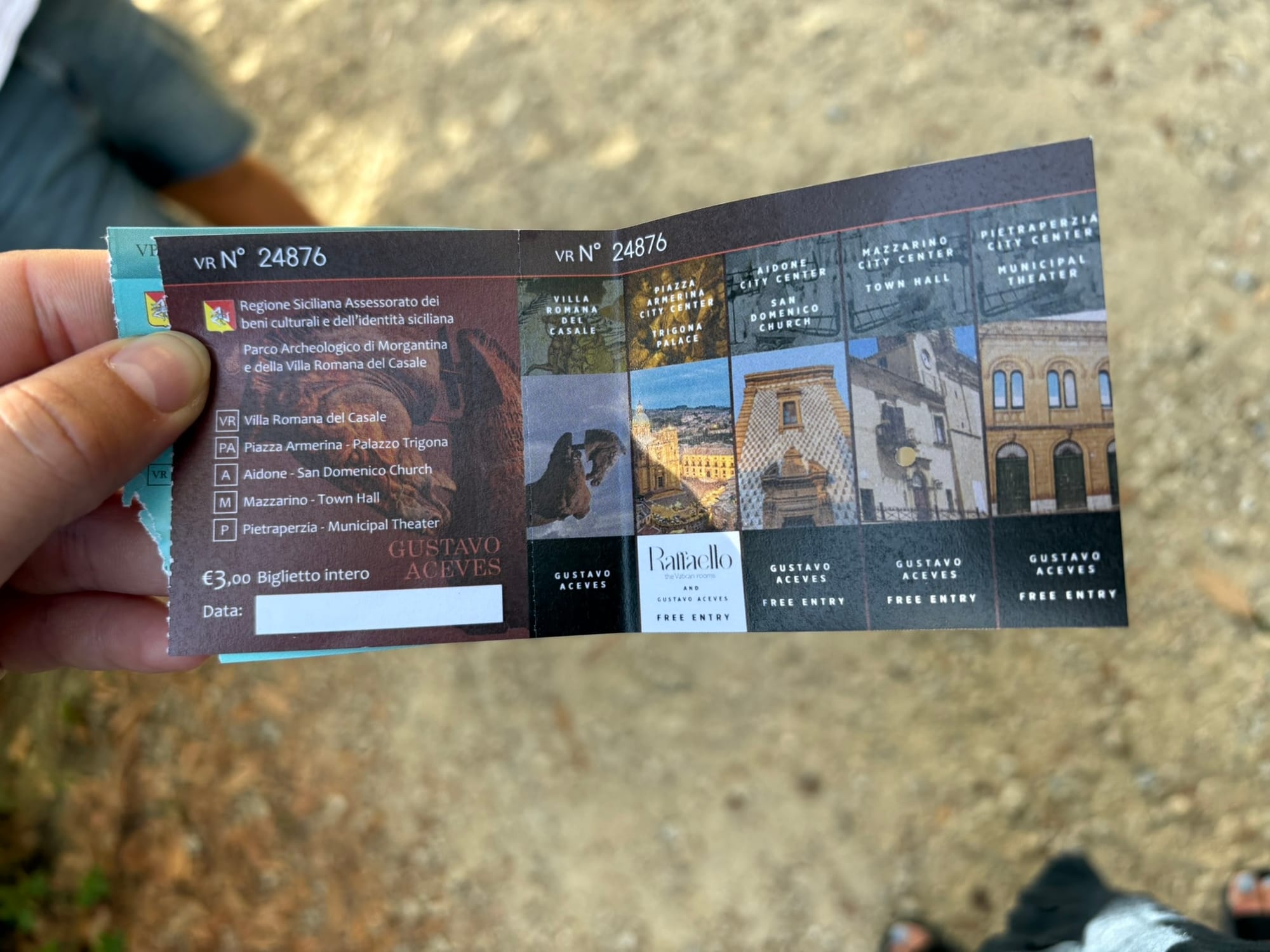
We passed through the little shops (and yes, Lukas had to grab a snack, no surprises there) and went to the ticket counter. This is where we were reminded of a rule that follows us around Sicily:
You must be extremely clear about what you want to buy.
For the second time (Palermo, I’m looking at you) we ended up with bundle tickets to visit multiple sites. Great if you want to see everything. Not great when you only plan to visit one place and then drive straight to Enna. So yes, we overpaid. Again. At this stage we’ve accepted it as part of our “cultural experience.”
Stepping Inside the Villa
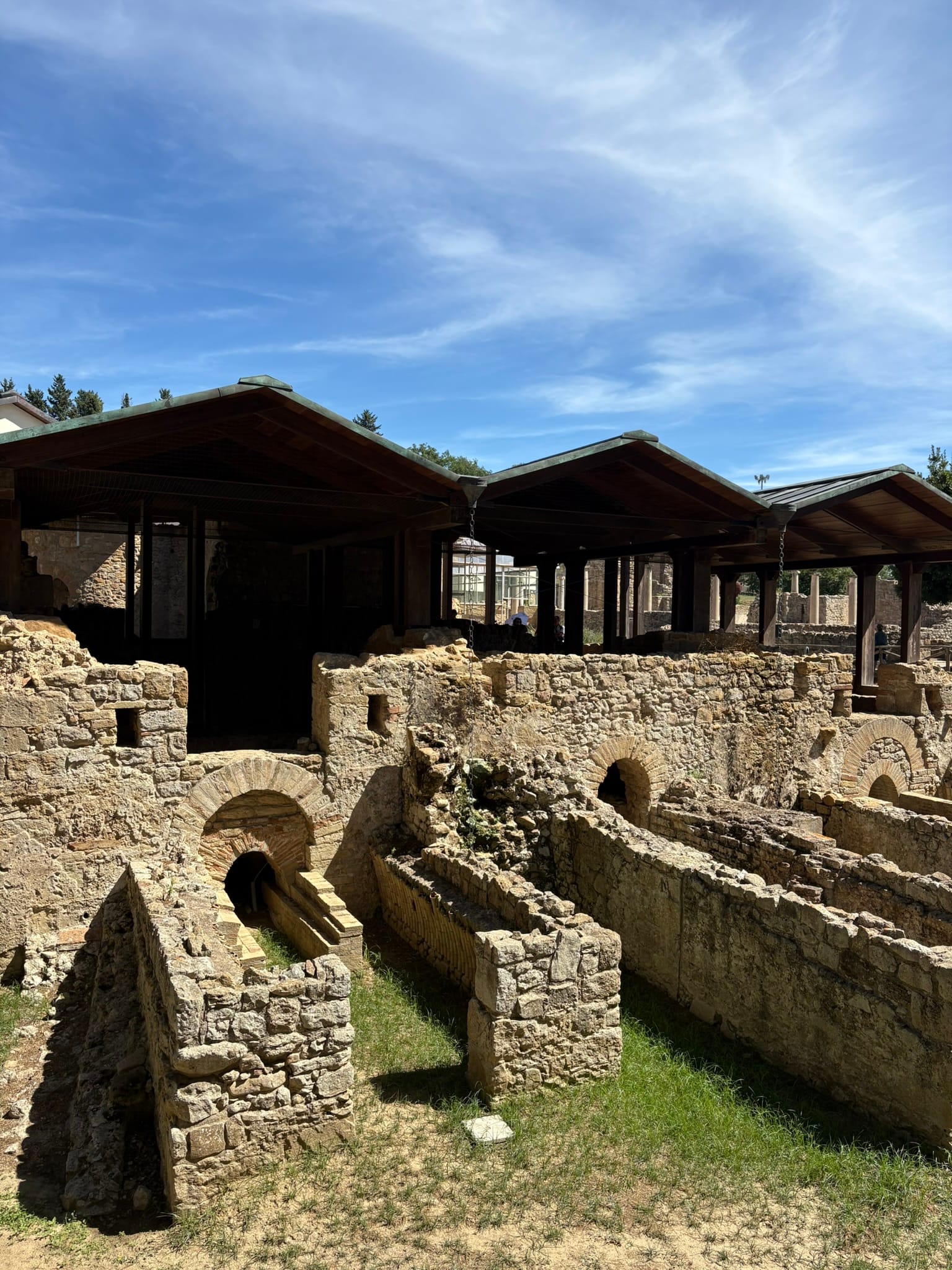
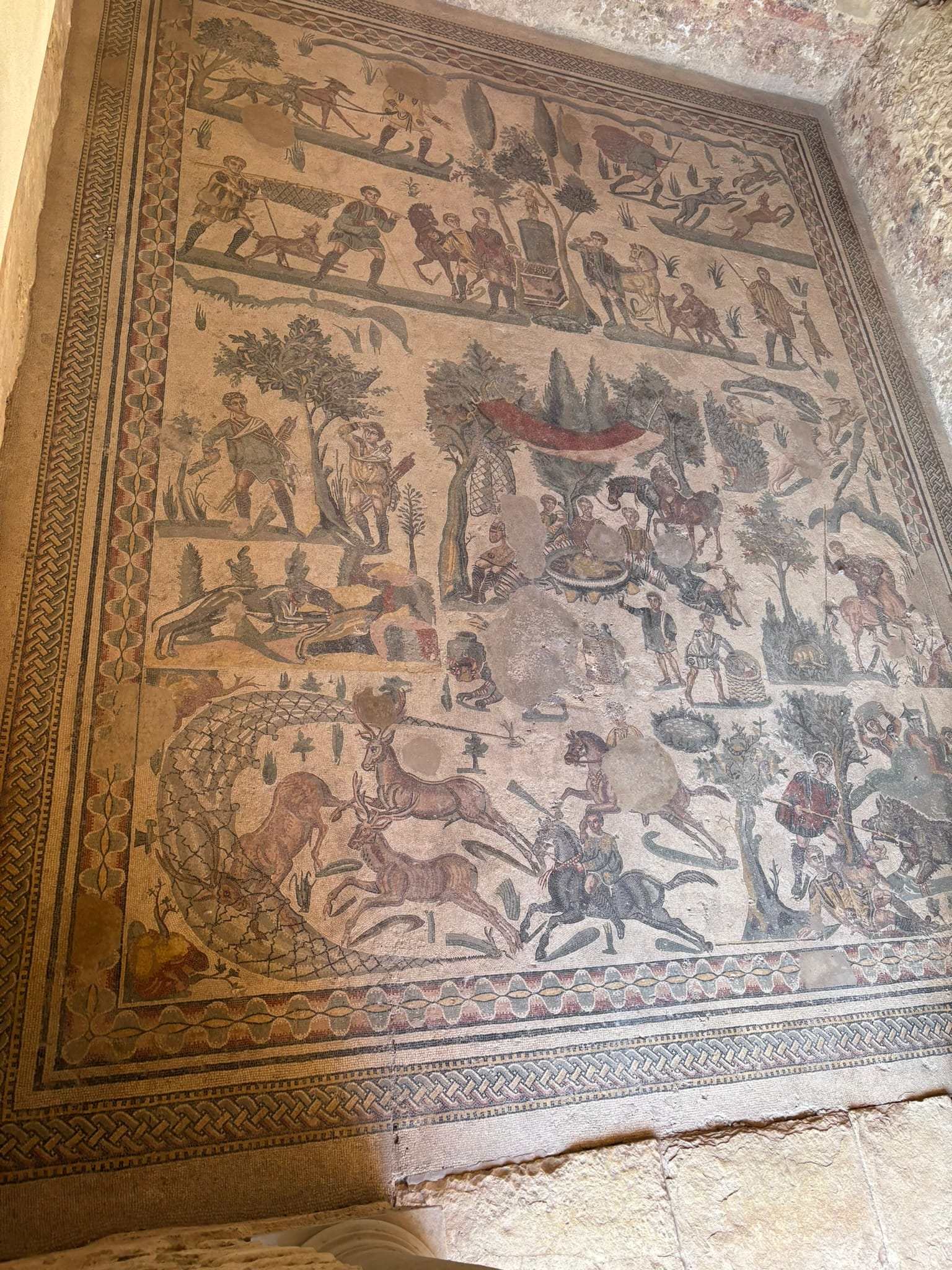
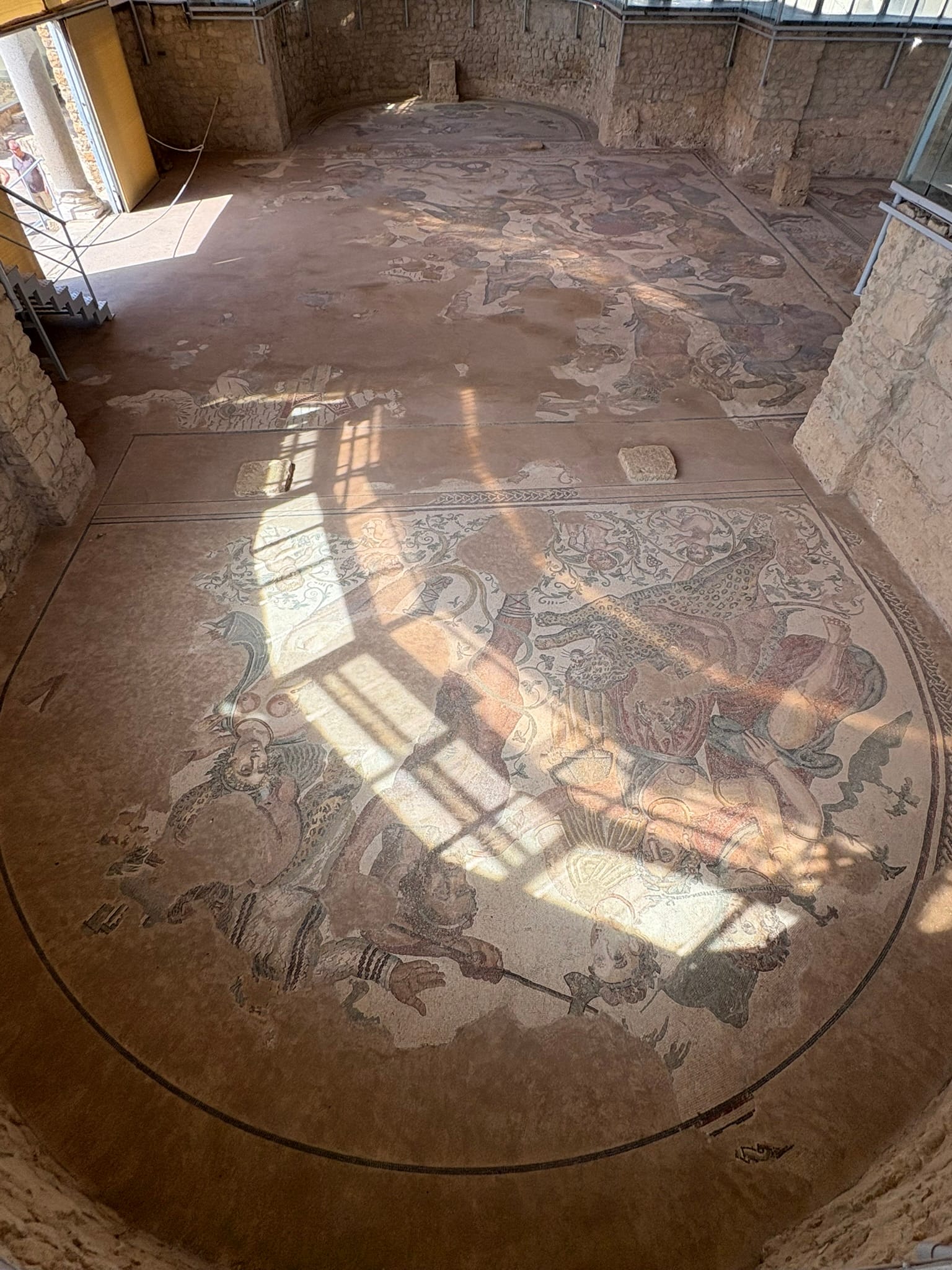
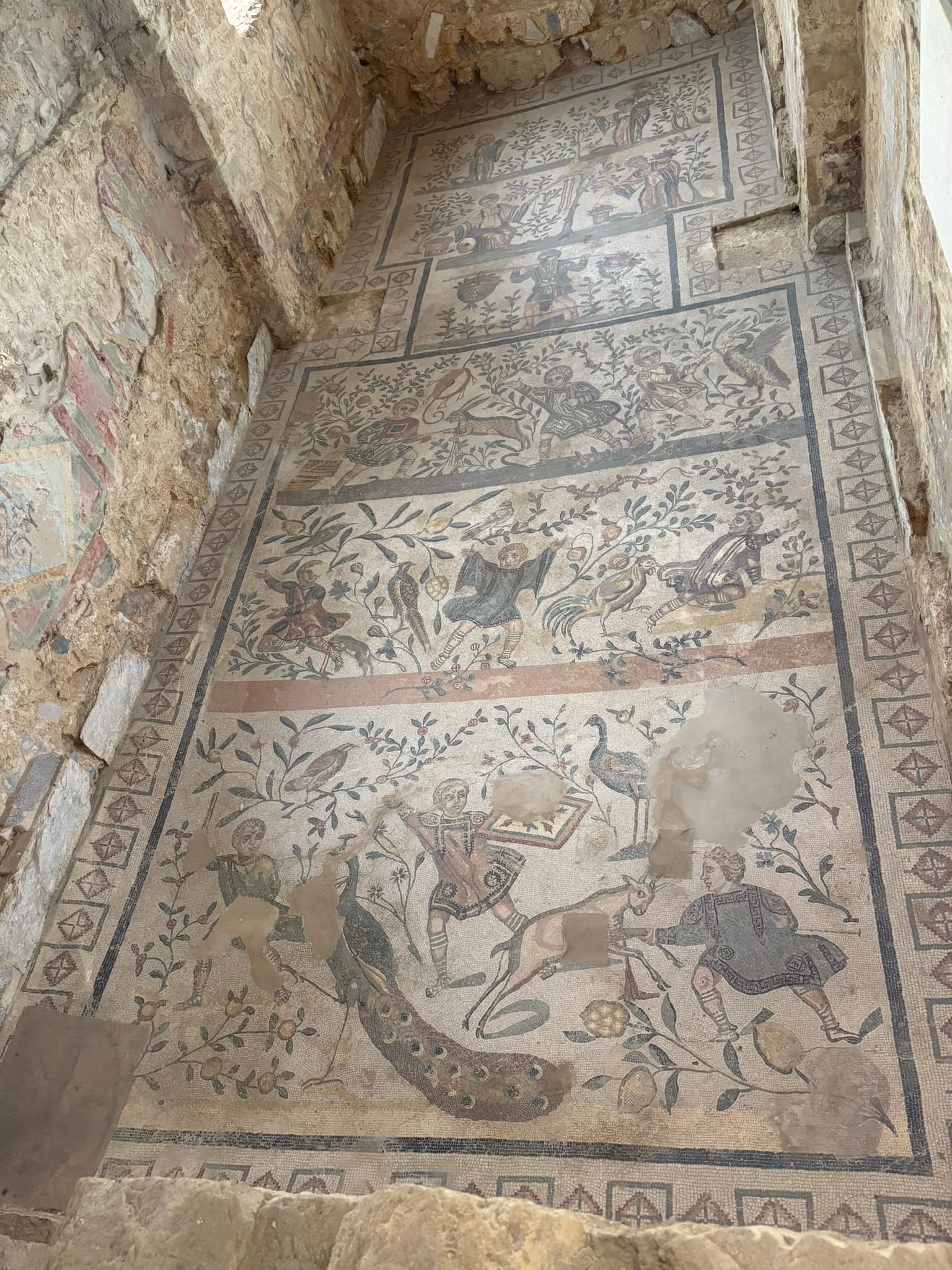
The villa is huge, over 3,500 square meters of mosaics and unbelievably well preserved. It survived because a landslide buried it for centuries, protecting the floors from sunlight, weather, and people. It was most likely a tragedy when it happened, but strangely, it’s the reason we can walk through these rooms today and see the everyday details of Roman life almost exactly as they were.
We spent far more time there than expected. Lukas was absolutely obsessed - not a word, not a sound, just him standing silently over a mosaic like it held the secrets of the universe. And with that many rooms, that many scenes, and that much detail… we were there for a long time.
The mosaics. Beauty and disturbing realities
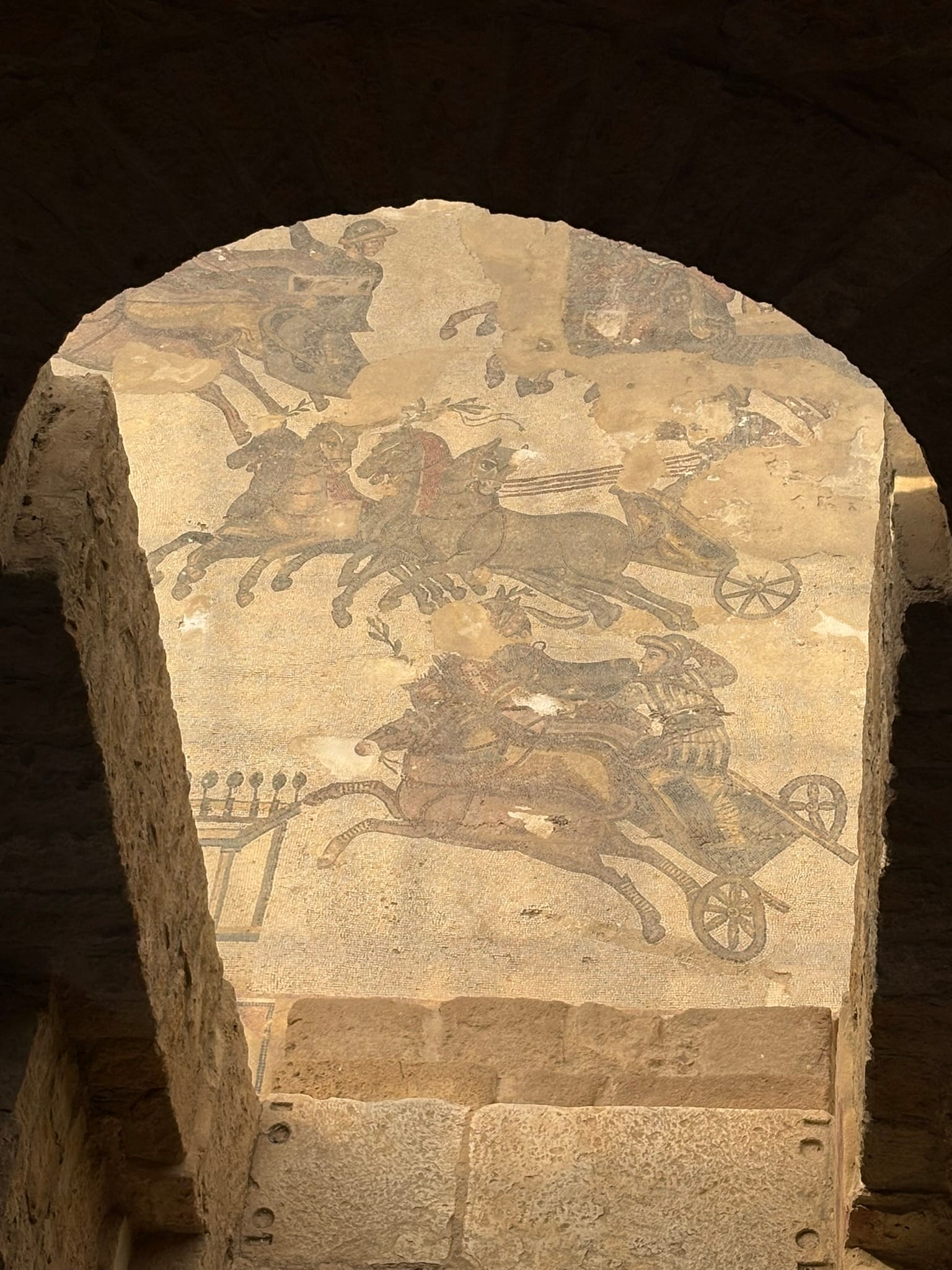
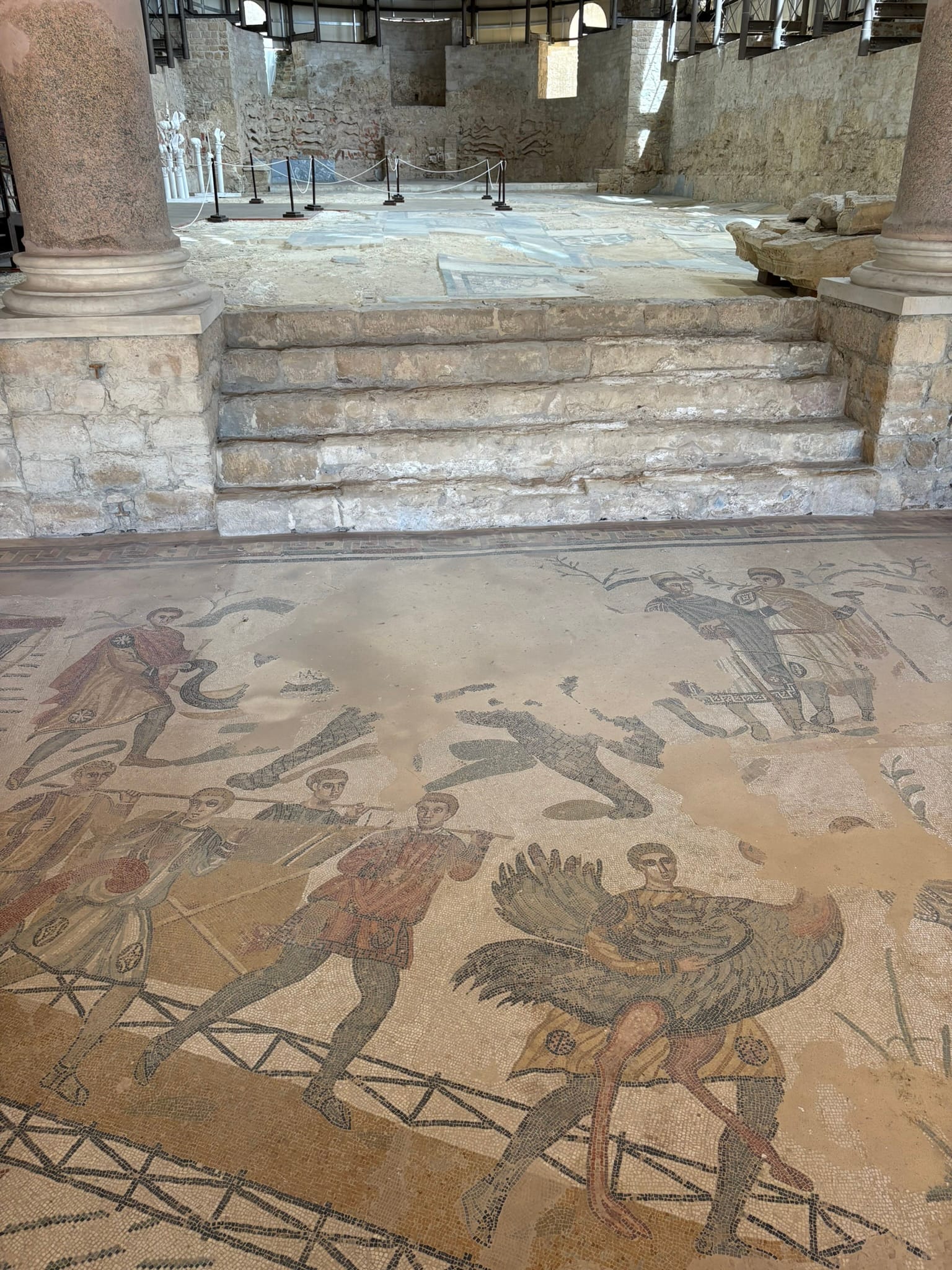
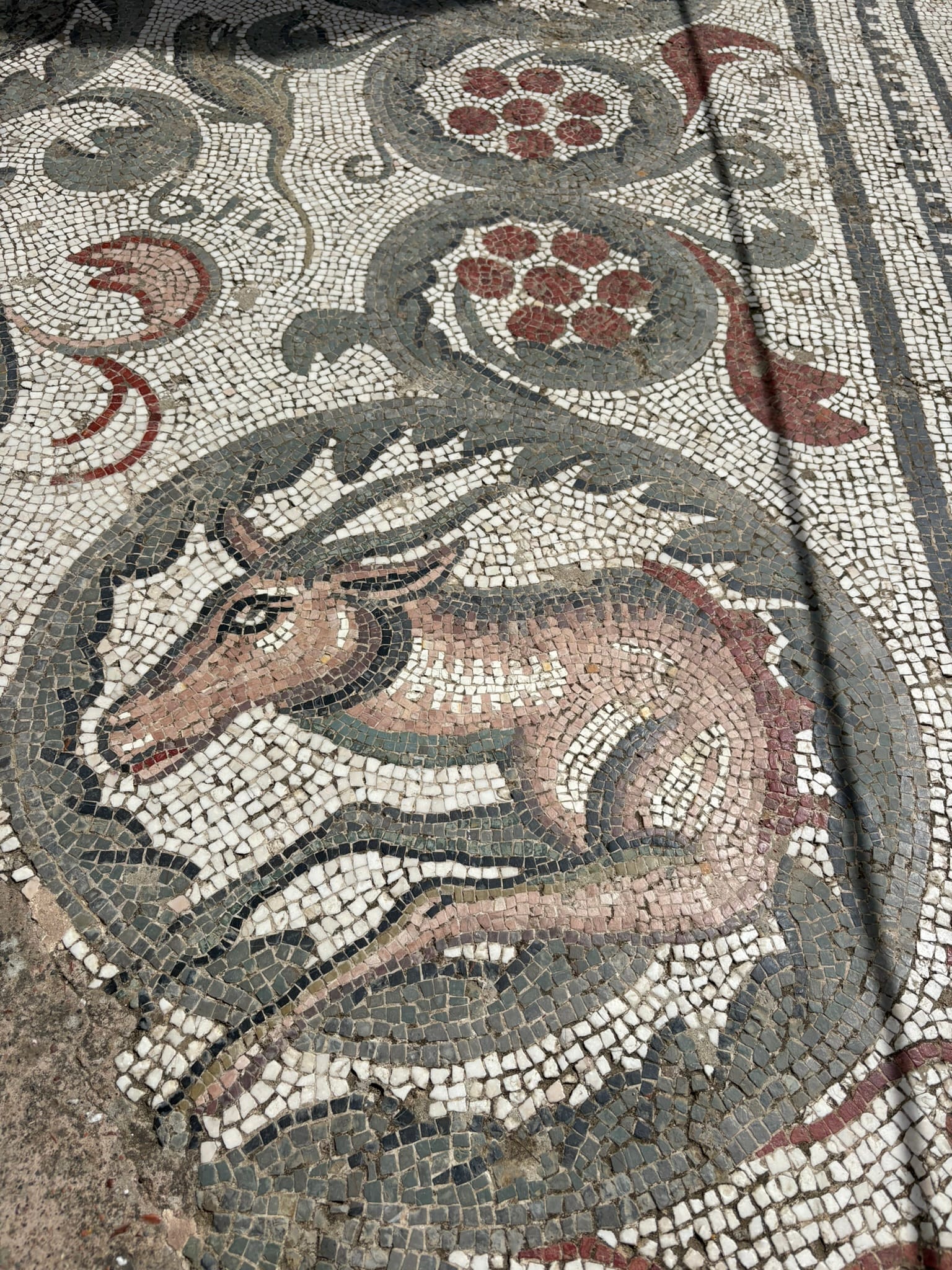
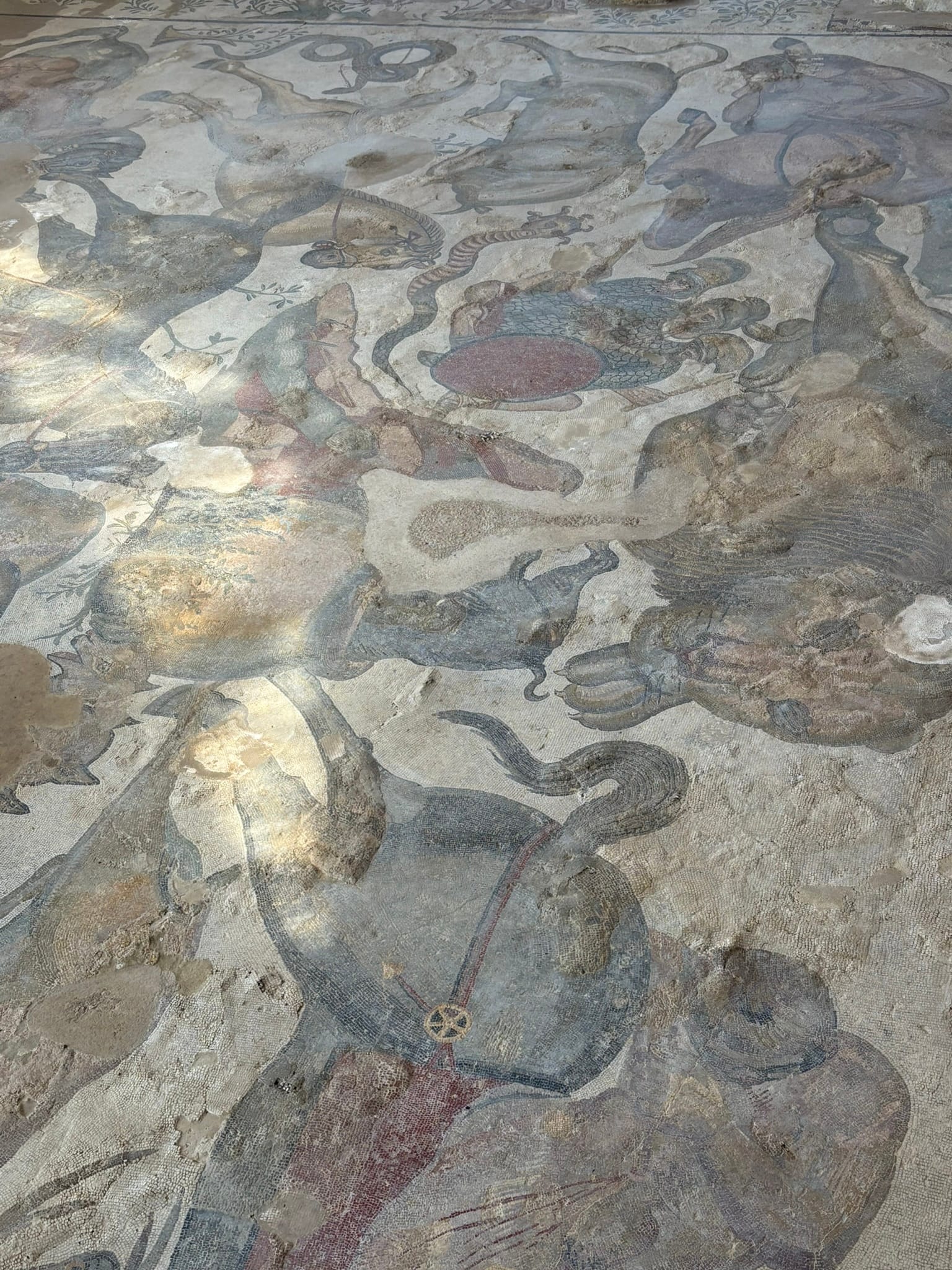
The mosaics are extraordinary. The colours, the geometry, the storytelling. It’s overwhelming in the best way. But once you look closer, the reality behind many scenes becomes hard to ignore.
A large part of the villa’s imagery depicts:
- slavery
- capturing and transporting exotic animals
- mistreatment of wildlife
- hunting as a symbol of status and power
It’s strange to admire art that is breathtaking in skill yet reflects the cruelty of the time so openly. At one point we looked at each other and realised that despite 1,700 years passing… humans haven’t changed as much as we’d like to think.
The athletes (not really “bikini girls”)
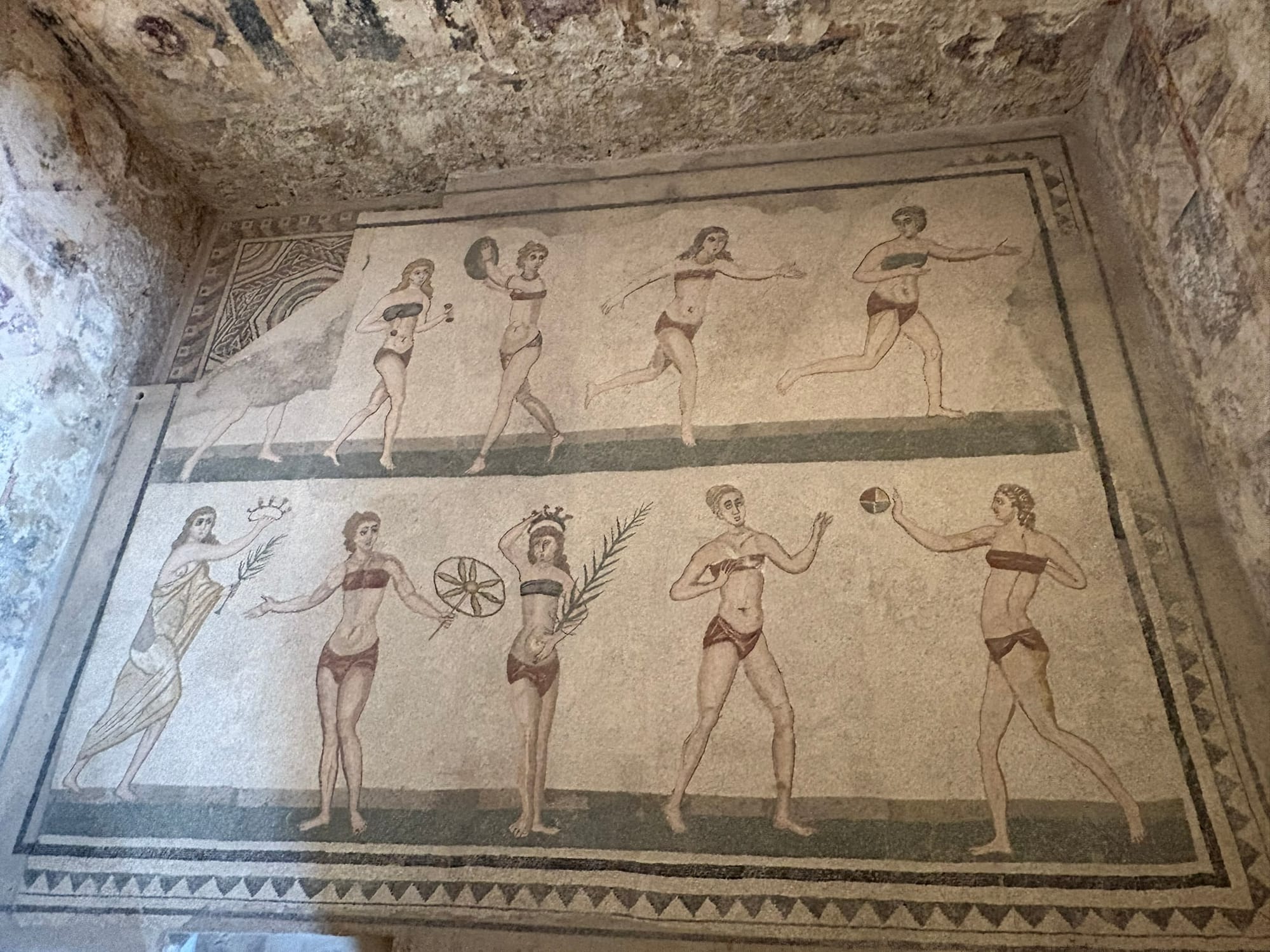
One of the most famous mosaics shows women in what everyone likes to call “bikinis,” but they were actually female athletes. The interpretation changed over time as the villa changed owners, but now it’s understood correctly.
What surprised us wasn’t the style, but how little there was of it. And then it hit us. In 1,700 years, women’s sports uniforms really haven’t changed that much. Still as tiny as possible.
Final thoughts
I’m not here to solve Roman morality. I’m here to share the experience of visiting this villa and it’s absolutely worth it. Just maybe don’t try to combine it with something else on the same day, especially if you’re going with a silent history enjoyer like Lukas. There is a lot to see, and you will spend more time there than planned.
Villa Romana del Casale is one of those places where you really do feel like you’ve stepped out of the present for a moment. The modern world fades, and suddenly you’re walking through rooms where people lived, worked, celebrated, and told their stories in tiny pieces of stone. That feeling alone makes the visit memorable.
Thank you for reading
If you’re enjoying our stories, you can sign up with your email on the homepage. It means a lot to us at this early stage of the blog and the YouTube channel, and we appreciate every single person who follows along.
Member discussion